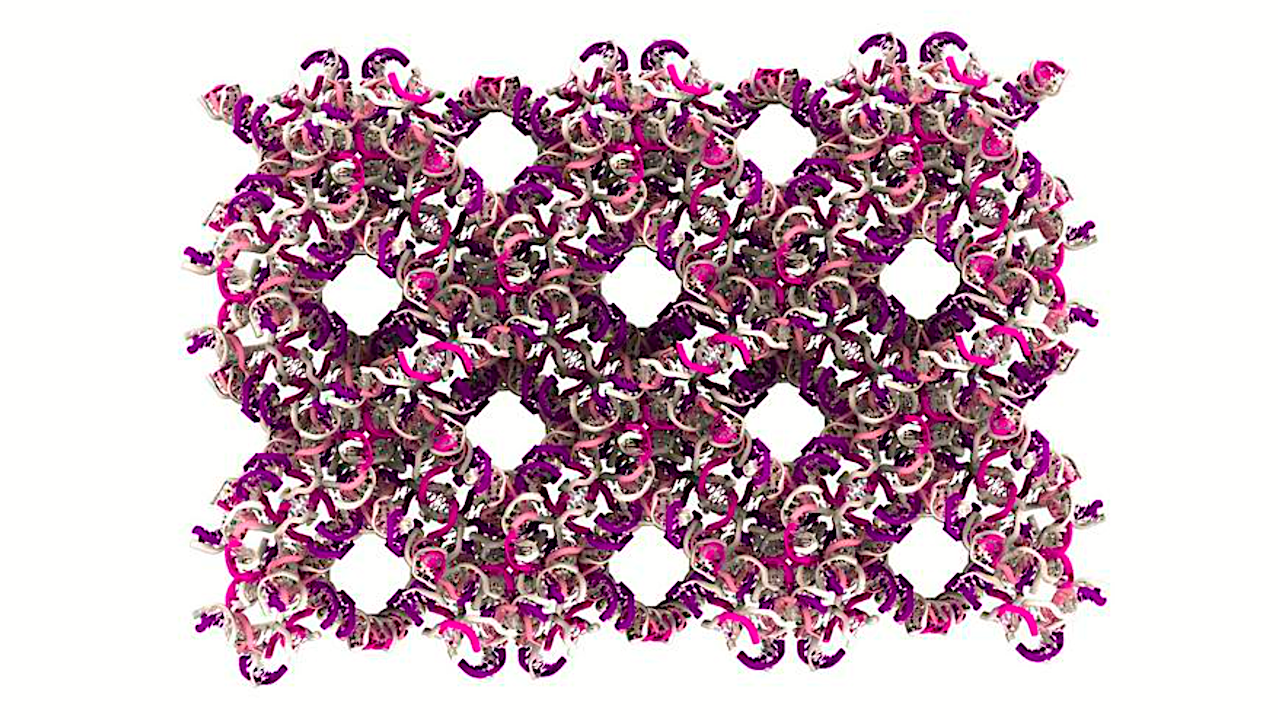
A new study from the Italian Institute of Technology (IIT), in collaboration with Uppsala University (Sweden) and AstraZeneca, shows how computational chemistry and supercomputers can help scientists better understand the fundamental mechanisms of life, specifically those of human cells.
Category: Astropharmacy / Biotechnology


Posted inAstropharmacy / Biotechnology, Biochemistry & Organic Chemistry, Biophysics, Genomics, Proteomics, Bioinformatics, Gravitational Biology, Life Support Systems, Microbiology & Virology, Microgravity, Nanotechnology & SynBio, News Summary Archives
ExocubeBio: An In-situ Fluidic Platform For Microbial Exposure On The International Space Station

Posted inAstropharmacy / Biotechnology, Commercial & Private Sector, Extremeophiles and Extreme Environments, Genomics, Proteomics, Bioinformatics, Microbiology & Virology, Radiation, Sample Return
Molecular Adaptations And Engineering Of Extremophiles For Synthetic Biology And Biotechnological Applications
Posted inAstropharmacy / Biotechnology, Biochemistry & Organic Chemistry, Biophysics, Biosignatures & Paleobiology, Exploration Gear & Tech, Genomics, Proteomics, Bioinformatics, Imaging & Spectroscopy, Microbiology & Virology, Tricorders & Sensors
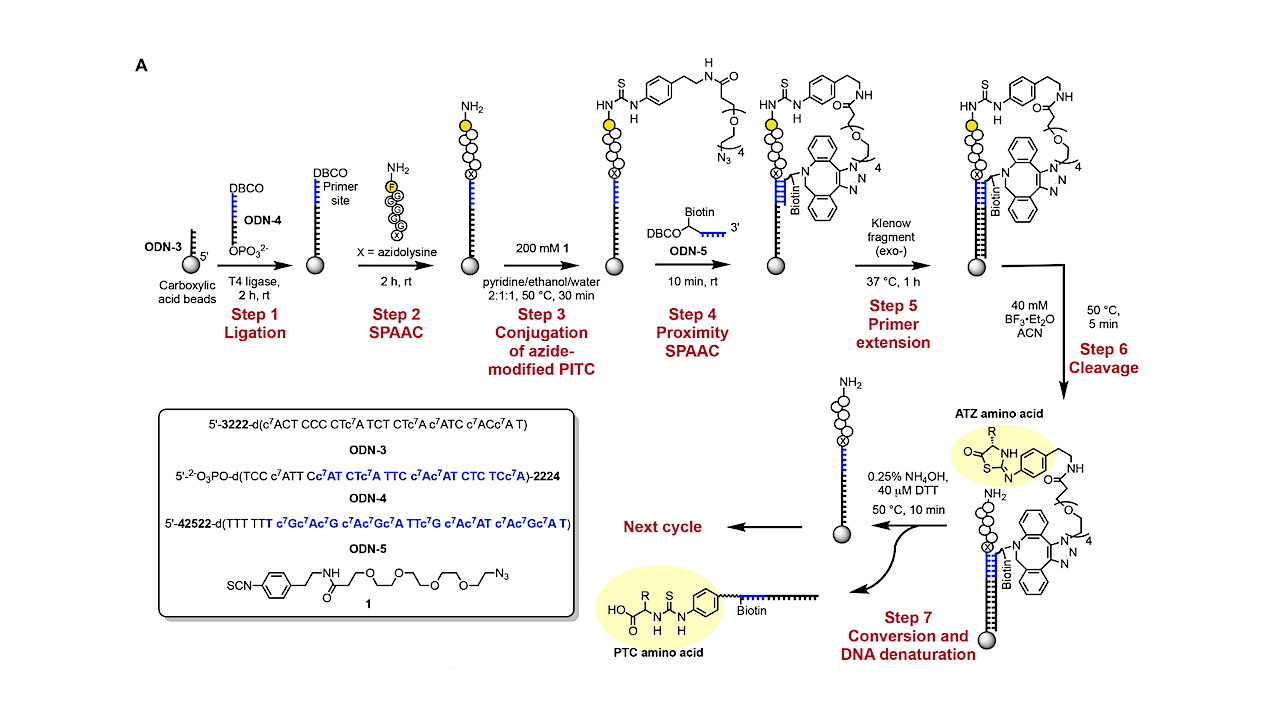
Tricorder Tech: Protein Sequencing Advance Offers New Insights Into Life’s Foundations

Posted inAstropharmacy / Biotechnology, Biochemistry & Organic Chemistry, Biophysics, Biosignatures & Paleobiology, Exploration Gear & Tech, Imaging & Spectroscopy, Tricorders & Sensors